A Practical Guide to Aran and Fair Isle Cardigans: History, Materials, and Care

Exploring the distinctive traditions of Aran and Fair Isle cardigans, their origins, motifs, fibers, and modern care for enduring wear.

History and Significance

Aran and Fair Isle cardigans occupy a special place in the fabric of knitwear history. Their origins are rooted in island communities where climate demanded warmth, resilience, and community storytelling through garment design. The Aran cardigan emerged from the rugged western shores of Ireland, where families wove cables and braids into thick, wind-ready sweaters. Each cable pattern carried a meaning—ropes signifying fishing nets, wheat sheaves representing hope—and the garments grew into symbols of regional identity and practical craftsmanship.

Fair Isle, by contrast, hails from the windswept Scottish archipelago, with colorwork that mirrors the island’s landscape: patchwork bands of multicolored motifs that create both visual richness and warmth. The tiny color changes demanded careful technique and meticulous planning, turning a simple knitted garment into a portable canvas of culture. Together, Aran and Fair Isle cardigans sculpted a narrative of island life—labor and leisure interwoven, literally and figuratively—through stitches that remain stylistically influential to this day.

Aran Tradition

Aran knits emphasize thick cables and torsade motifs that evoke ropes and nets. The sturdy structure provides warmth, while the raised textures offer tactile beauty. Historically, Aran wearers used natural wools from local sheep, spinning and knitting at home, passing techniques down through generations.

Fair Isle Craft

Fair Isle patterns leverage colorwork with a restrained palette, often using two or three colors per row. The method requires careful planning to manage floats and yarn dominance, yielding sweaters that feel both intimate and panoramic—like a landscape rendered in knit.

Fibers, Fabrics, and Construction

Choosing the right fiber is essential to honor the design and ensure longevity. Aran and Fair Isle pieces benefit from wool blends and the natural resilience of premium wools. The weight, loft, and hand of the yarn influence warmth, drape, and wear patterns. Understanding these aspects helps knitters and collectors alike identify authentic pieces and replicate the warmth of traditional knitwear in a modern wardrobe.

Fiber Fundamentals

Wool remains the cornerstone for Aran and Fair Isle aesthetics. Merino and Lambswool offer softness and drape, while robust options like Highland wool deliver structure. Alpaca blends introduce warmth with a lighter hand, though care requirements differ. Mohair can add halo and sheen, enhancing colorwork visibility.

Care tips: selects fibers with natural stain resistance when possible; be mindful of felting risks with hot water and agitation. For blends, follow manufacturer guidance to preserve loft and fiber balance.

Construction Techniques

Aran cardigans often showcase set-in sleeves, sturdy yoke or raglan lines, and traditional button bands. Fair Isle garments emphasize colorwork carried smoothly across the shoulders and chest, with careful tension management to maintain even color distribution. Cable patterns in Aran knits not only convey heritage but also add structural integrity, helping garments hold shape over time.

Knitting density matters: a tighter gauge preserves warmth and shape, while a looser gauge can yield a softer drape but may require careful blocking and enhanced finishing. The balance between stitch definition and comfort is the essence of a wearable Aran or Fair Isle piece.

Care and Maintenance for Iconic Knits

Authentic Aran and Fair Isle cardigans deserve thoughtful care to preserve their texture, color, and shape. The care protocol varies by fiber, but some universal practices help extend life and keep patterns crisp.

  • Hand washing with a mild wool wash and cool water is often recommended for delicate knits; avoid agitation that can cause felting or distortion.
  • Block dry: lay flat on a clean surface, reshape to original measurements, and allow to air dry away from direct heat or sunlight.
  • Storage: store flat to minimize shoulder slope and avoid hangs that can warp the garment over time. Use moth protection and breathable storage bags to preserve color and fiber integrity.
  • Colorwork care: wash separately if colors are prone to bleeding; consider rolled blocks for colorwork to prevent distortion at the yoke and neckline.

Advanced tip: for cable-heavy Aran pieces, mild steam from a garment steamer can refresh shape between wears. Avoid direct heat that could flatten the texture. For pattern restoration, a careful reblocking can rejuvenate crisp cable definition after laundering.
Motifs, Patterns, and regional storytelling

Patterns tell stories. Aran cables symbolize strength, nets, and agricultural motifs, while Fair Isle colorwork creates a tapestry of landscapes and daily life. The interplay of texture and color makes each cardigan a wearable archive, inviting wearers to learn and share origins with every button or tucked edge.

Aran Cables

From simple front-to-back braids to complex six- and eight-stitch cables, Aran patterns layer meaning into the fabric. The cable flutes, honeycombs, and braid motifs provide a tactile map of maritime life and island resilience. Authentic Aran work typically uses dense stockinette or garter backgrounds to create bold stitch definition that remains readable even after repeated wear.

Fair Isle Colorwork

Fair Isle patterns rely on careful color planning and stranded knitting techniques. The limited palette—often two to three colors per row—yields intricate bands across yokes and fronts. The interpretation of landscapes, flora, and small symbolic motifs makes each sweater a unique, borderless conversation piece that travels well from island to city, season to season.

Key Figures Across Time

Three individuals, spanning centuries, illuminate the enduring appeal of Aran and Fair Isle knits. Their contributions—whether through technique, design, or cultural preservation—underscore the garments’ place in fashion history and craft culture.

Dorothy A. McKenzie (1908–1983)

In the mid-20th century, McKenzie documented and popularized Aran and Fair Isle techniques in regional craft circles and publications. Her meticulous notes on stitch counts, pattern repeats, and dye sources helped standardize an inherited craft for new generations of knitters, ensuring a living archive of Irish and Scottish knitting lore.

Mairead O’Connell (1945–2015)

As a textile historian, O’Connell chronicled island knitting communities, bringing attention to the social context in which Aran and Fair Isle garments emerged. Her fieldwork and interviews with elder knitters preserved regional voices, patterns, and color interpretations that might have otherwise faded with time.

Maggie Chen (b. 1968)

As a contemporary designer and educator, Chen has bridged traditional motifs with modern silhouettes, expanding the canon of Aran and Fair Isle patterns to include adaptable, wearable forms. Her scholarship and pattern releases help knitters reinterpret these legacies for today’s wardrobe, from streetwear to couture-inspired knitwear.

Modern Wardrobe: Pairings and Practical Styling

Today’s Aran and Fair Isle-inspired cardigans find themselves at home in a diverse wardrobe landscape. They pair with denim for a casual, tactile aesthetic; layer over lightweight knits for seasonal transitions; and stand as statement pieces when worn with tailored trousers. The modern approach honors tradition while embracing contemporary fabrics, sustainable production, and mindful wardrobes.

Casual Observations

Aran-inspired cardigans with cable knit patterns deliver warmth and texture that elevate casual outfits. A slate gray Aran cardigan over a white tee and dark denim creates a timeless, tactile look. For colorwork-heavy Fair Isle pieces, choose a neutral base to let the pattern shine, pairing with solid trousers and minimal accessories to avoid visual competition.

Sustainable Considerations

Growing interest in sustainable wardrobe practices aligns with traditional craftsmanship. Seek pieces from brands with transparent fiber sourcing, fair-trade manufacturing, and long-lasting construction. A well-cared-for Aran or Fair Isle cardigan can become a cornerstone of a timeless, low-waste wardrobe that ages gracefully.


Featured Product

Cordillera Collection

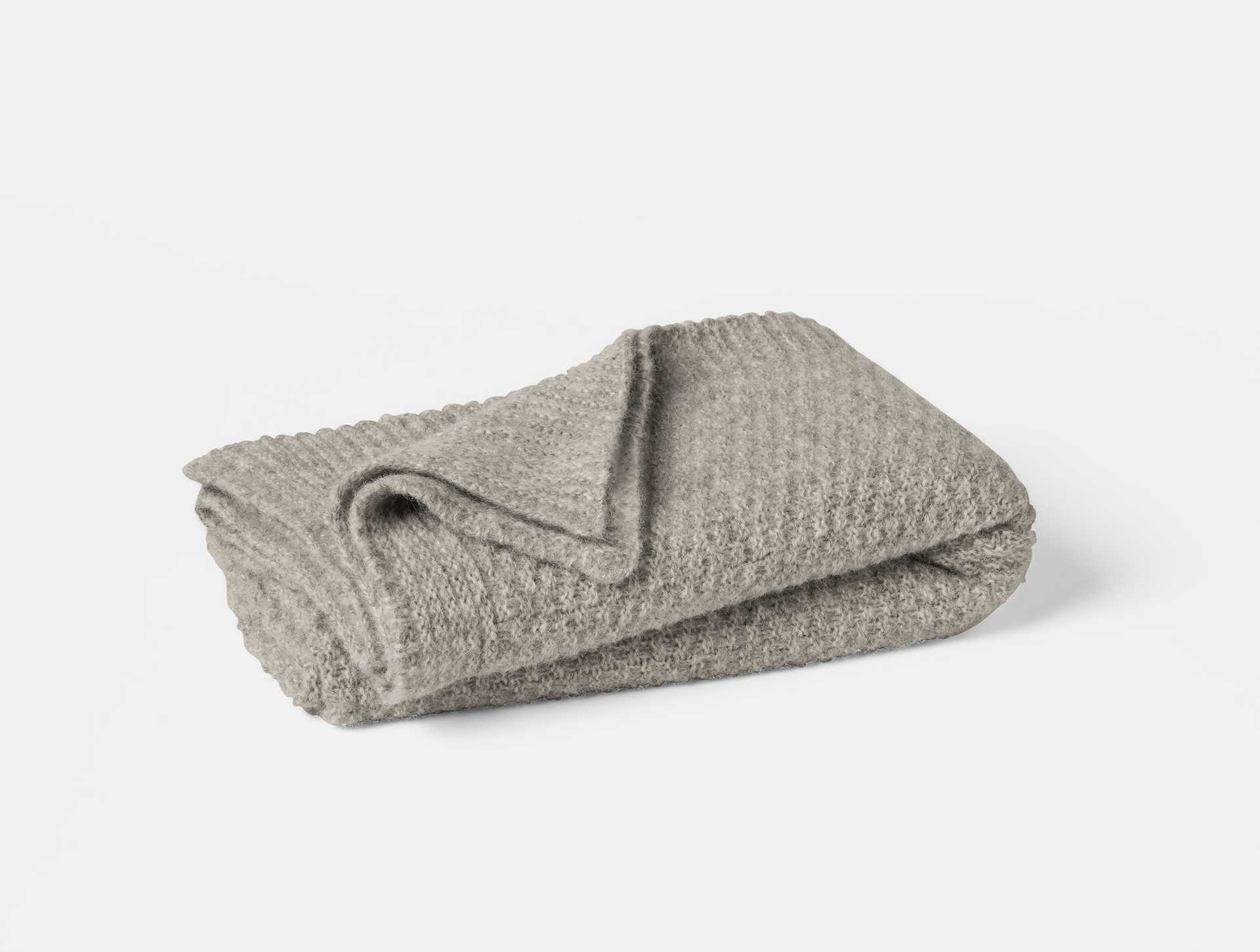
Cordillera Alpaca Cotton Knit Throw

A 56% alpaca and 44% pima cotton knit, woven in Peru, delivering a soft warmth and seed-stitch texture. Dry clean only for longevity and fiber integrity. Perfect for complementing a cardigan-based lounge ensemble.

Price: $348.00

Cordillera Alpaca Cotton Knit Throw — Preview

Glossary and References

To support readers, a concise glossary of knitwear terms is integrated with the context of Aran and Fair Isle traditions. Readers are encouraged to explore credible textile archives and museum collections for authentic examples, including regional sweaters and historical examples that illuminate technique and craft.

  • Aran: A family of sweaters from the Aran Islands, known for their cable motifs and dense construction.
  • Fair Isle: Patterned colorwork originating from Fair Isle, featuring restrained palettes and stranded knitting.
  • Gauge: The number of stitches per inch, influencing warmth and drape.
  • Blocking: A finishing process to set shape and even out stitches.
© 2026 CardiganSweaters.org — A non-commercial, educational resource on cardigan and sweater history, materials, and care.

Related Products

Cordillera Alpaca Cotton Knit Throw

Coyuchi

Cordillera Alpaca Cotton Knit Throw

Wrap yourself in gentle warmth with a soft alpaca-cotton throw that drapes like a hug, breathable yet cozy, and features a seed-stitch texture that adds cozy depth to any space. Durable, peruvian craft for everyday luxury.
Wren Organic Knit Snuggle Sack

Coyuchi

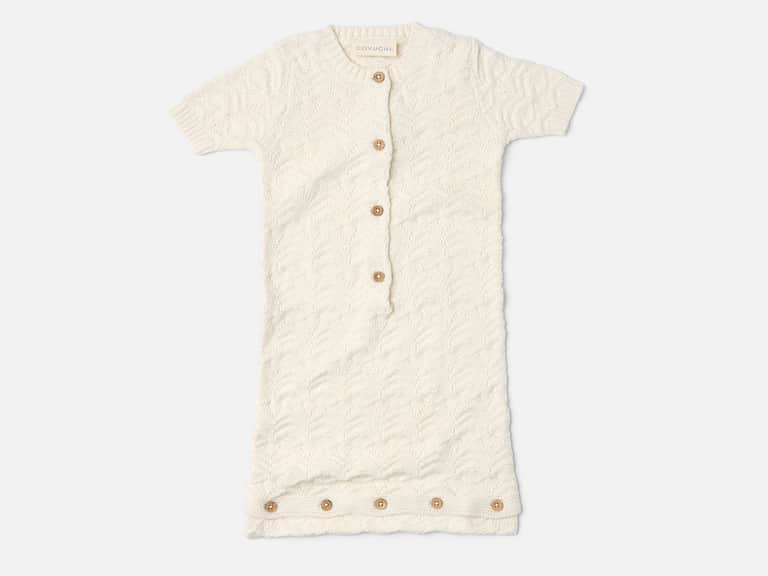
Wren Organic Knit Snuggle Sack

Cushy, breathable 100% organic cotton Snuggle Sack keeps baby cozy through the night, with a convenient front placket and bottom opening for quick changes, machine washable and fade-resistant for gentle, everyday comfort.
Cordillera Sweater

Coyuchi

Cordillera Sweater

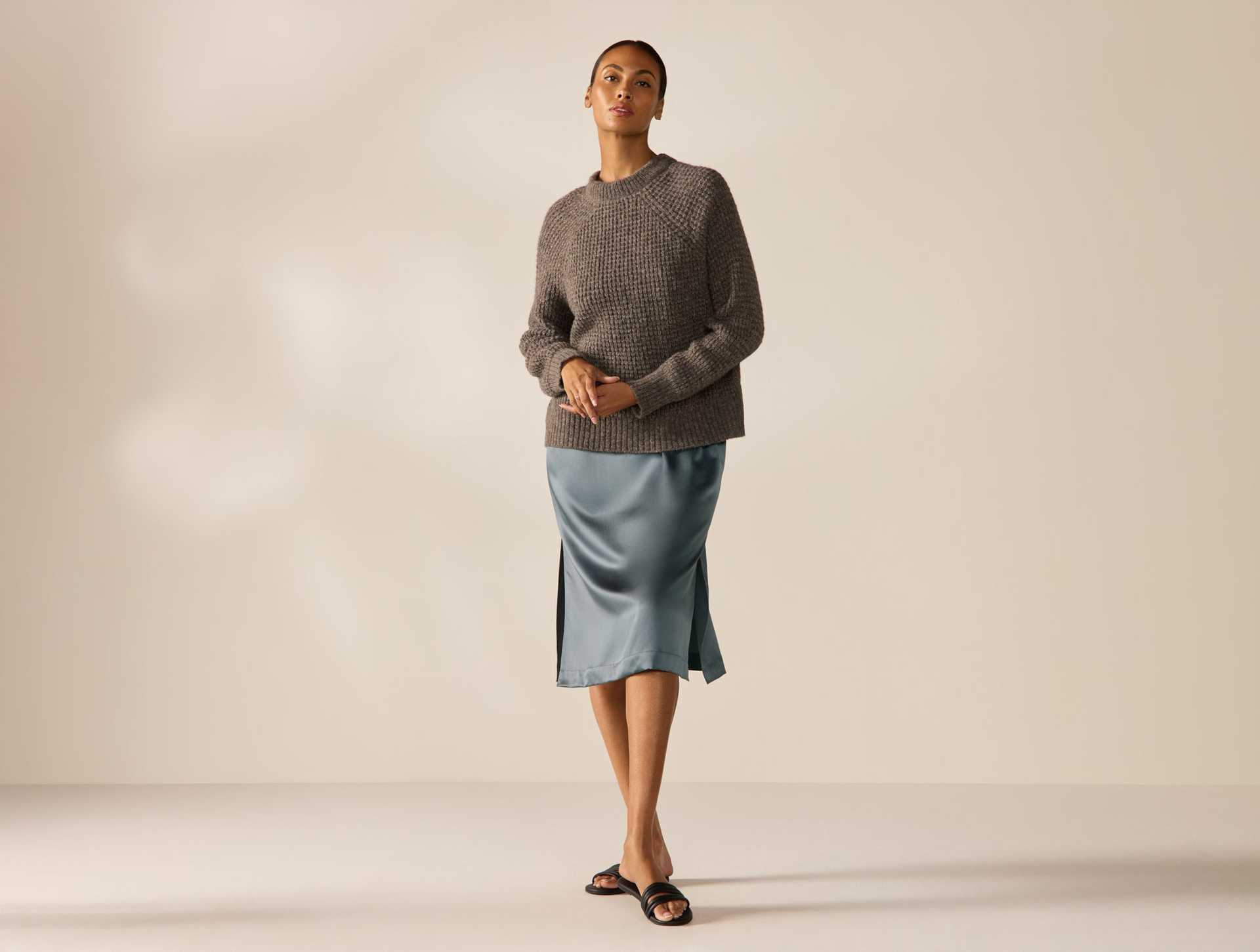
Luxuriously soft alpaca-silk knit from Peru, delivering warm, breathable comfort in a relaxed fit with long raglan sleeves—perfect for everyday luxury and easy layering.

Theme